CONTROLLED LINE-SPACING TEST · OCTOBER 16, 2026
Coloring Page Maker: Do Narrow Gaps Stay White?
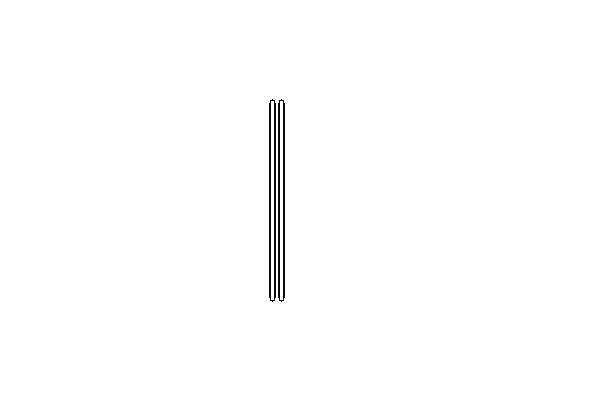
They did in our four controlled fixtures, but a source gap and the remaining white width are different measurements. In this coloring page maker, 1-, 2-, 4- and 12-pixel source intervals retained 1, 2, 2 and 10 nearly-white columns at the measured row. None closed completely. These results do not establish a safe minimum for every photo.
Compare your original and trace
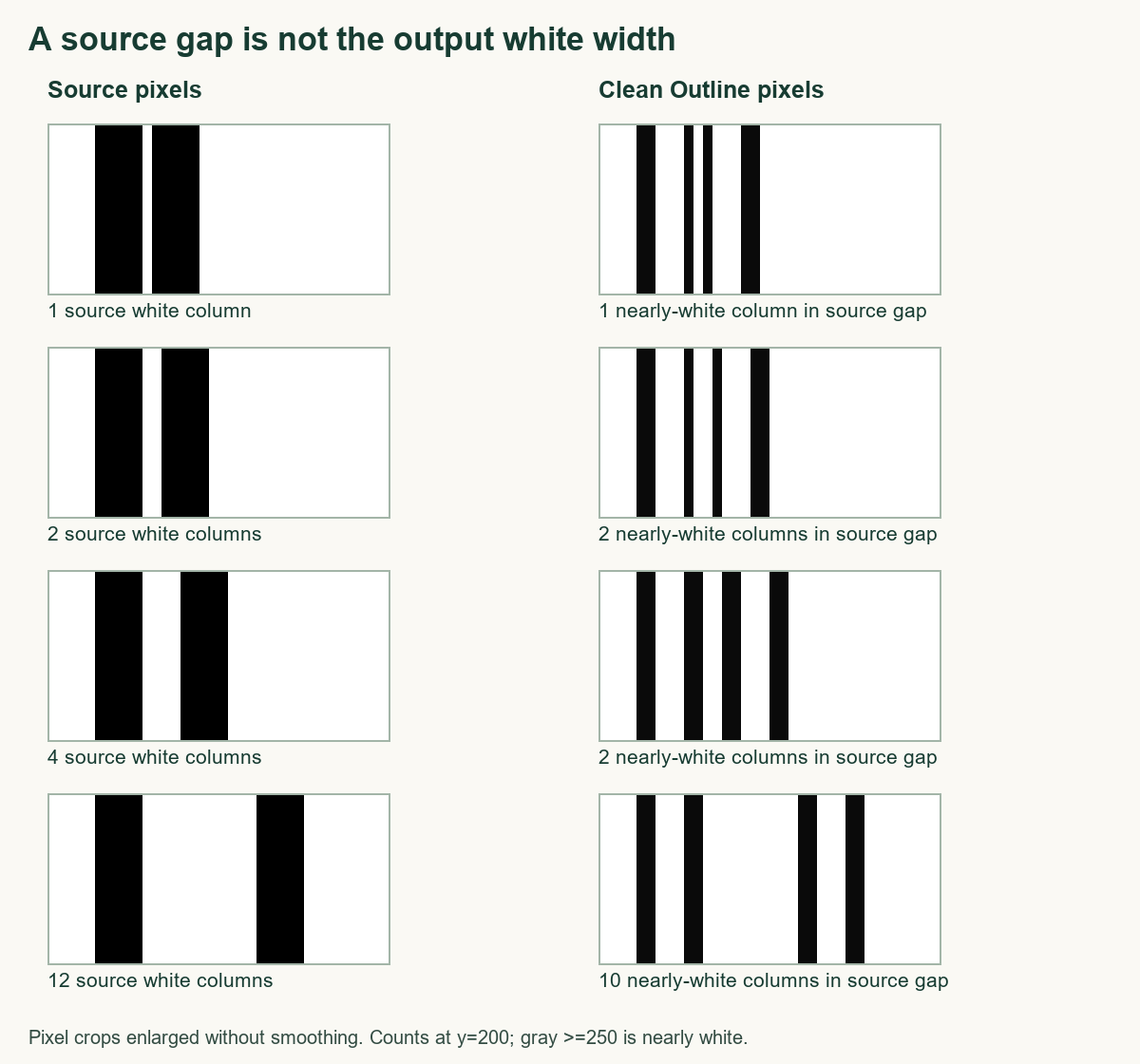
The experiment: change spacing, keep the bars fixed
On October 16, 2026, we created four 600 × 400-pixel opaque PNGs with Pillow. Every canvas starts white, RGB (255, 255, 255). The first black bar occupies x = 270–274 and y = 100–300, inclusive. It is five pixels wide and 201 pixels tall. For a gap g, the second bar occupies x = 275 + g through 279 + g, with the same vertical extent. Both bars are black, RGB (0, 0, 0).
The values of g are 1, 2, 4 and 12. This means the source white intervals occupy x = 275; x = 275–276; x = 275–278; and x = 275–286. We changed only the second bar's horizontal position. The image size, background, bar width, height and first-bar position stayed fixed. There is no erased segment in either bar: the question is separation between adjacent details, rather than a break in a contour.
How to reproduce the measurement
Before running the fixtures, we downloaded the current public app.js and checked it matched the local production file byte for byte. We extracted the unchanged style presets, support function and tracing function. Each of four source arrays ran through Clean Outline, Detailed and Simplified, giving twelve outputs. This isolated function run excludes browser decoding, image resizing, page fitting, PNG/PDF export and physical printing.
For each output, we inspected row y = 200, away from both bar ends. We counted columns inside the original source gap whose output gray value was at least 250. The formula is the number of x values in [275, 275 + g) satisfying outputGray(x, 200) ≥ 250. This is our nearly-white classification, not a promise about paper appearance or an external editor's tolerance.
| Source gap, px | Preset | Nearly-white columns | Output x coordinates |
|---|---|---|---|
| 1 | clean | 1 | 275 |
| 1 | detailed | 1 | 275 |
| 1 | simple | 1 | 275 |
| 2 | clean | 2 | 275, 276 |
| 2 | detailed | 2 | 275, 276 |
| 2 | simple | 2 | 275, 276 |
| 4 | clean | 2 | 276, 277 |
| 4 | detailed | 2 | 276, 277 |
| 4 | simple | 2 | 276, 277 |
| 12 | clean | 10 | 276, 277, 278, 279, 280, 281, 282, 283, 284, 285 |
| 12 | detailed | 10 | 276, 277, 278, 279, 280, 281, 282, 283, 284, 285 |
| 12 | simple | 10 | 276, 277, 278, 279, 280, 281, 282, 283, 284, 285 |
For the 1-pixel source interval, x = 275 remained white. The 2-pixel interval retained both x = 275 and 276. The 4-pixel interval retained only its inner two columns, x = 276 and 277. In the 12-pixel interval, ten inner columns, x = 276–285, met the same threshold. All twelve measurements used the same row and rule. All three presets agreed for each fixture.
What the result supports—and what it does not
These fixtures show that source spacing need not equal the count of white output columns in the same interval. For example, the 2- and 4-pixel source gaps both left two nearly-white columns, while the 12-pixel gap left ten. A one-pixel gap survived this test. It would therefore be wrong to announce that all narrow spaces merged, or to prescribe a minimum gap based on an unobserved failure.
The result is local to the measured row in these high-contrast, vertical bar fixtures. We did not test diagonal strokes, curves, blurred boundaries, semi-transparent pixels, compressed photographs or rotated inputs. We did not test the site's 2,600-pixel processing cap, final-page interpolation or print scaling in this experiment. Those stages can create a different pixel grid, so counts from these isolated arrays must not be presented as full browser-export measurements.
The three preset results matched here; switching styles was not a measured spacing repair. This also is not a recognition test: a count of white columns says nothing about whether a person's fingers, a pet's fur or a flower's petals look correct. Inspect the important shape rather than using this synthetic count as an image-quality score.
Download the exact evidence
- 1-pixel gap: source PNG; Clean Outline output, Detailed output, Simplified output
- 2-pixel gap: source PNG; Clean Outline output, Detailed output, Simplified output
- 4-pixel gap: source PNG; Clean Outline output, Detailed output, Simplified output
- 12-pixel gap: source PNG; Clean Outline output, Detailed output, Simplified output
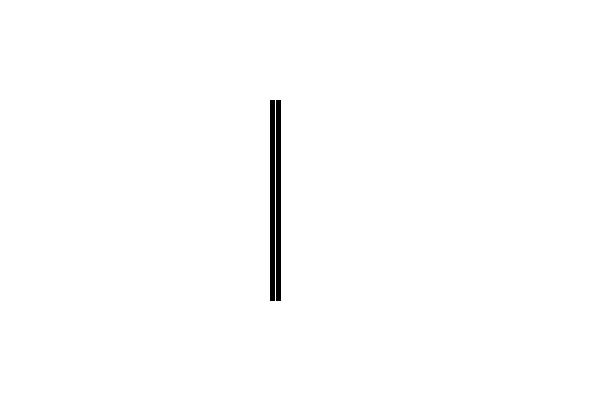
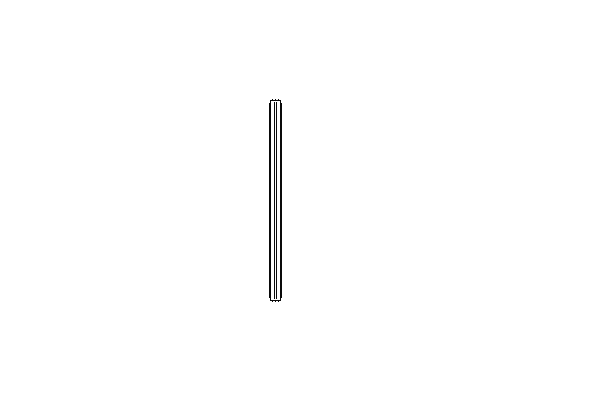
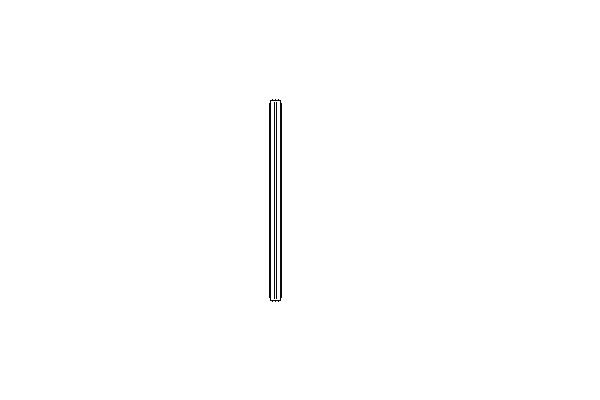
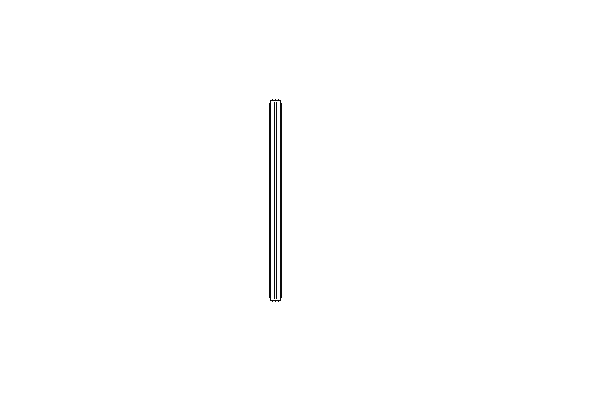
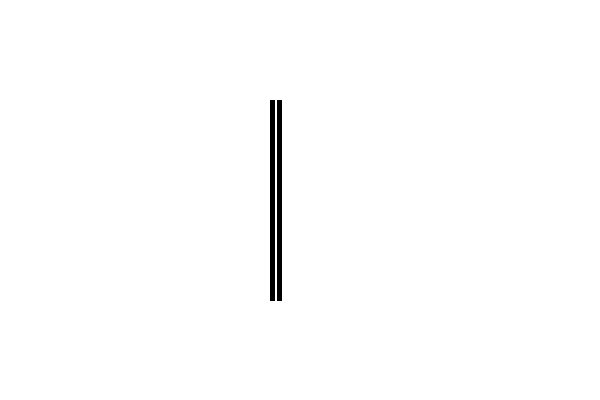
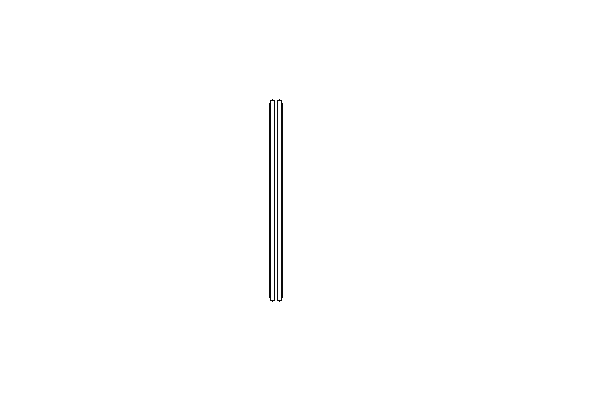
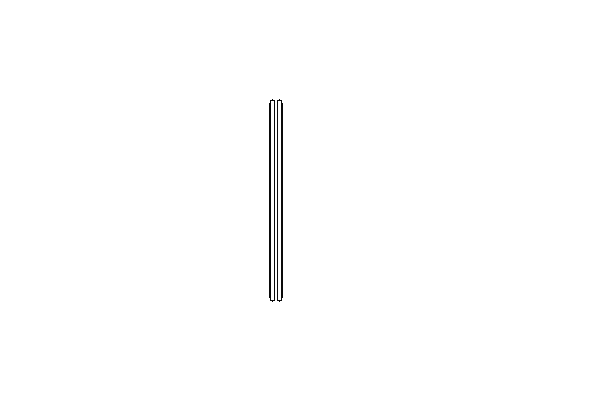
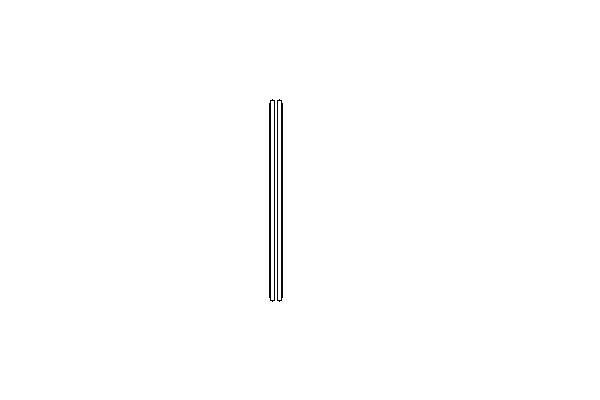
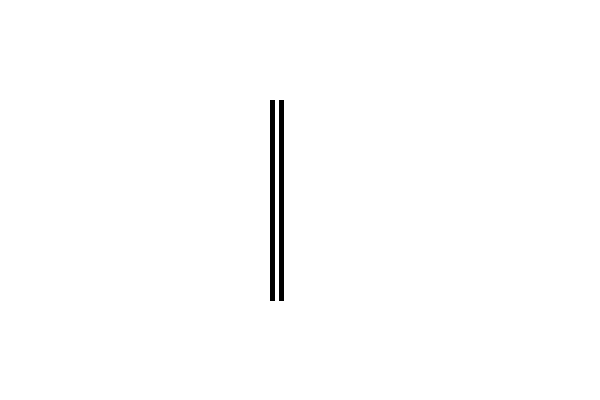
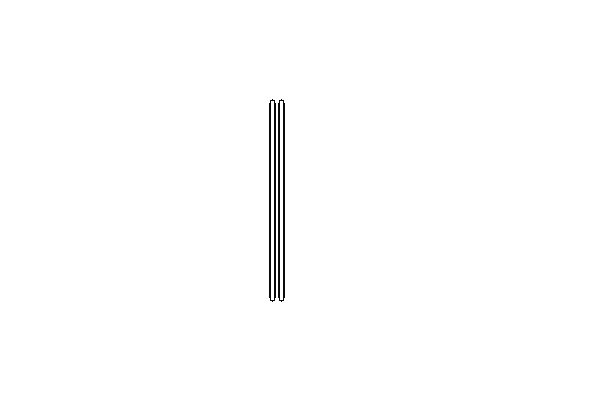
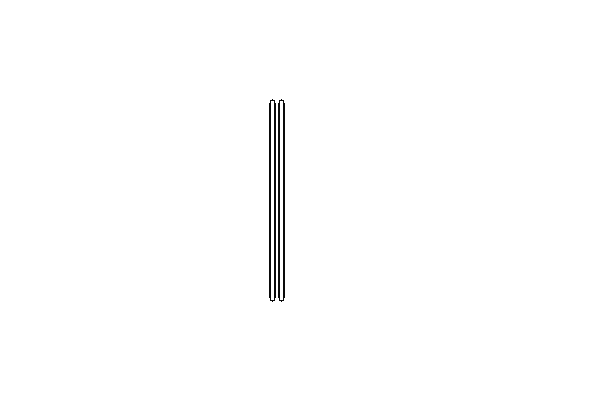
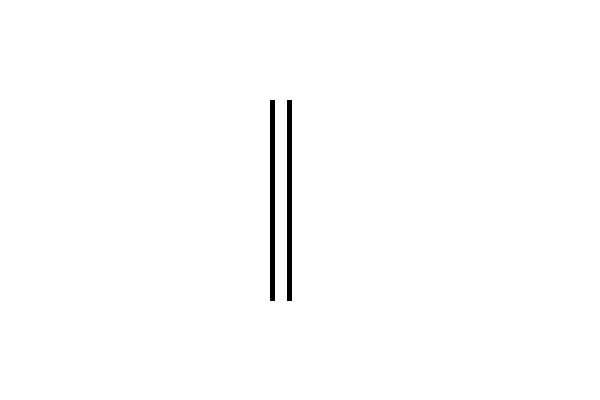
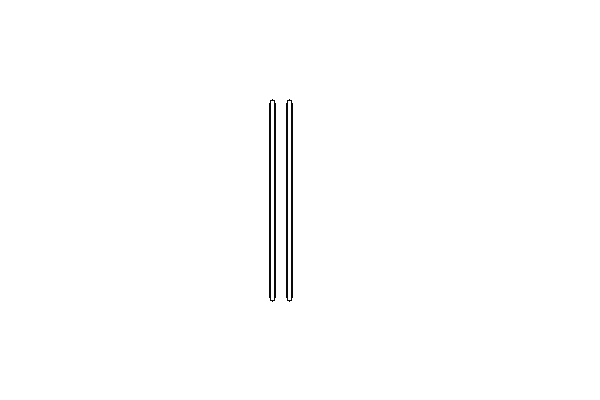
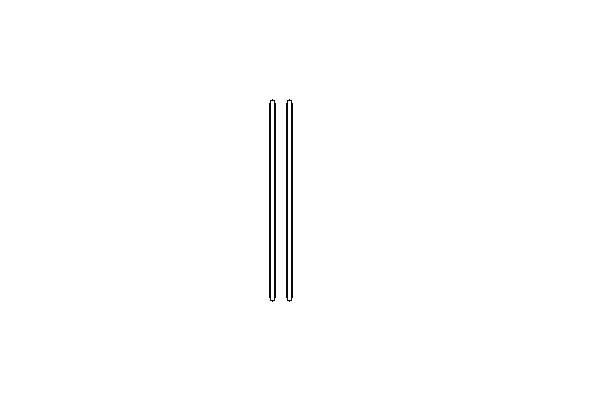
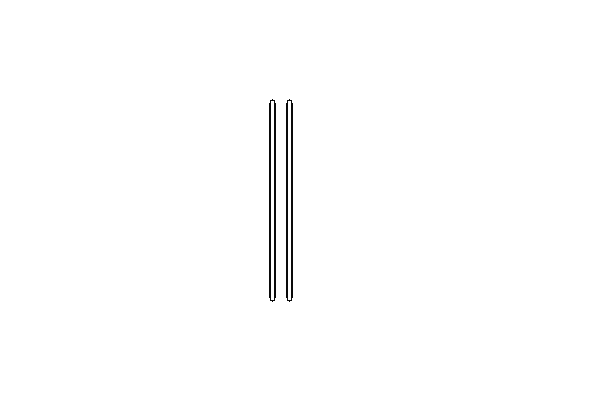
Download all twelve measurements and center-row gray values. Each profile starts at x = 265 and includes x = 300. It records actual output values rather than a hand-drawn approximation.
How to inspect close details in your own image
- Keep the original beside the trace and identify one important space between nearby shapes.
- Compare at the same image scale before deciding whether the space changed. An enlarged on-screen crop is not the final paper size.
- Try another preset only as a comparison. Our tested presets did not differ for these four fixtures, and this experiment does not identify a guaranteed repair.
- Check the exported page at its intended size. If a detail is too cramped for the activity, consider a simpler source or larger subject; these are suggested next steps, not photo or print results measured here.
For a single thick stroke becoming two edges, read the double-outline test. For a missing connection along one border, see the open-outline experiment. Those change different features of the source.
Watch the explanation
Watch the narrated narrow-gap experiment, with English captions, a transcript and a downloadable MP4.
Sources and scope
The downloadable original fixtures, twelve current-function outputs and counting method above support the measurements. We reviewed Mimi Panda, iColoring and Canva in that order on October 16. The inspected pages describe generation, styles or editing workflows. We did not find this matched bar-spacing measurement in their inspected text. We did not test their private converters or inspect their complete sites.